























NCCDP Alzheimer’s Disease and Dementia Care Seminar Recognized by the Alzheimer’s Association Curriculum Review
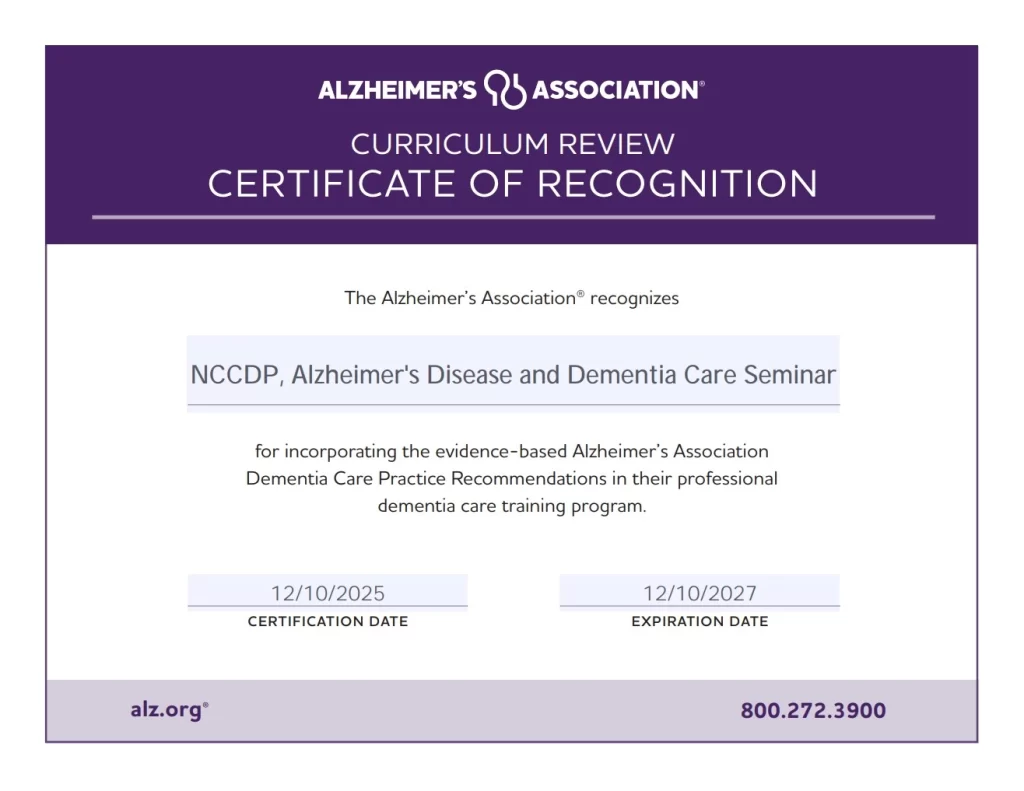
Training aimed at implementing the latest evidence-based approaches to dementia care amid growing numbers of Americans affected.
CDP of the Year (Posthumously): Honoring Doreen Coulson Putnam’s Legacy of Dementia Education
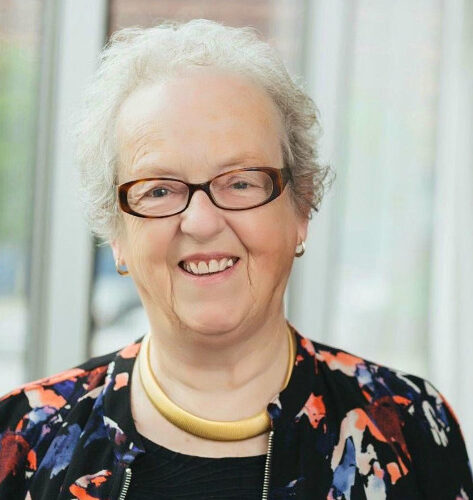
A legacy built on love, learning, and dignity.
Celebrating Brittany Coleman’s Nomination for NCCDP CADDCT of the Year

Honoring leadership in dementia education and memory care excellence
NCCDP Names Karen Coppola, CDP as 2025 CDP of the Year
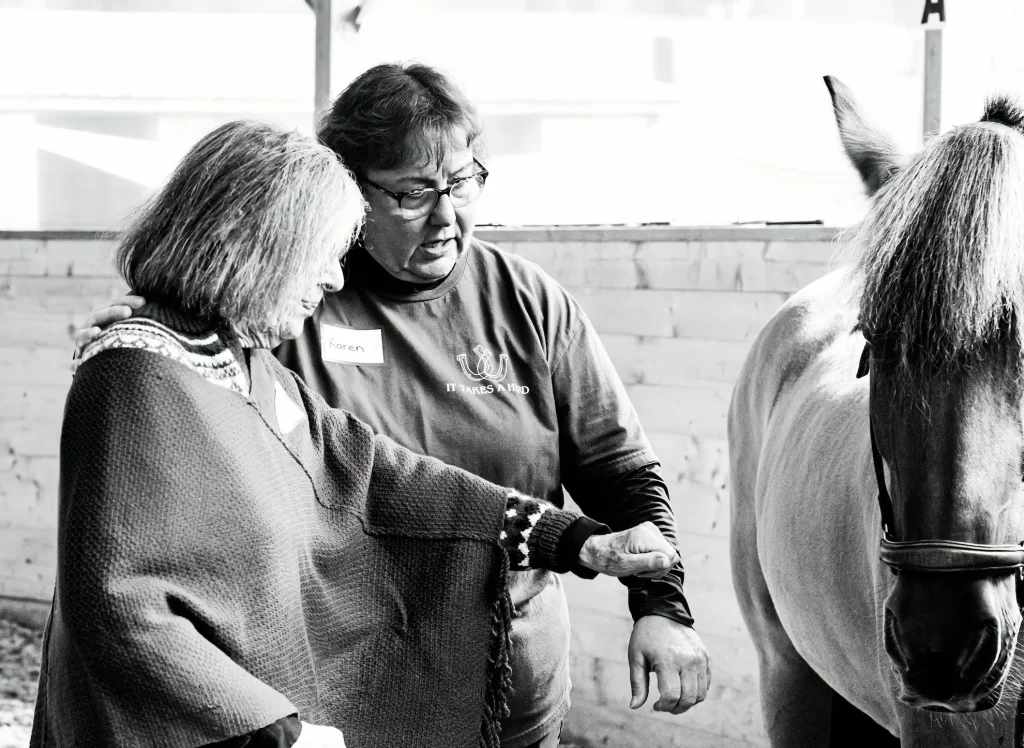
From NCCDP and the entire dementia care community: congratulations, Karen, on being named 2025 CDP of the Year.
Family Caregiver Strain And The “Hidden Economy” Of Care

Why burnout, finances, and practical supports are finally getting the attention they deserve
Brain Health & Dementia: A Practical Checklist

NCCDP supports brain health & dementia care by providing education, certification, and practical tools for professionals and communities.
Brain Health at Every Stage of Life: What Really Helps, and How Dementia Professionals Can Support It

Read about how every step towards brain health is worth honoring and how NCCDP turns broad “brain health” concepts into everyday practice.
November 2025 Newsletter
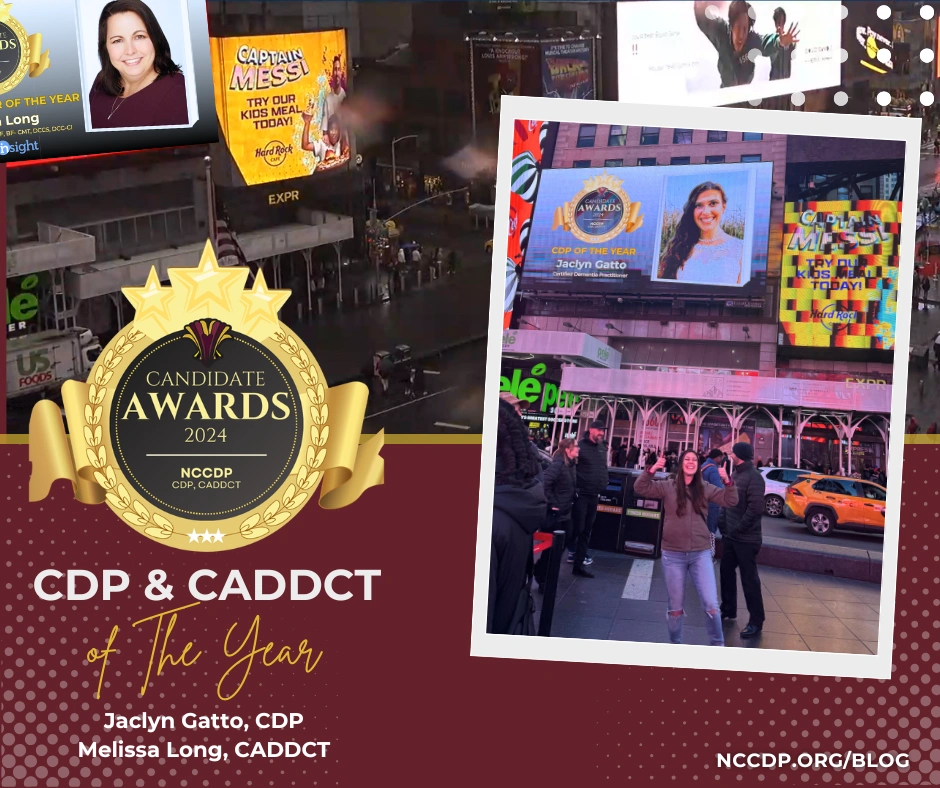
Help us celebrate those who go above and beyond in their commitment to quality care! Nominations are open for CDP and CADDCT of the Year!
Dementia vs. Alzheimer’s: What’s the Difference—and Why Words Matter

The distinction between Dementia and Alzheimer’s matters because assessment, prognosis, risk reduction, and care can differ by cause.
Early Signs of Dementia: Person-Centered Ways to Notice—and What to Do Next
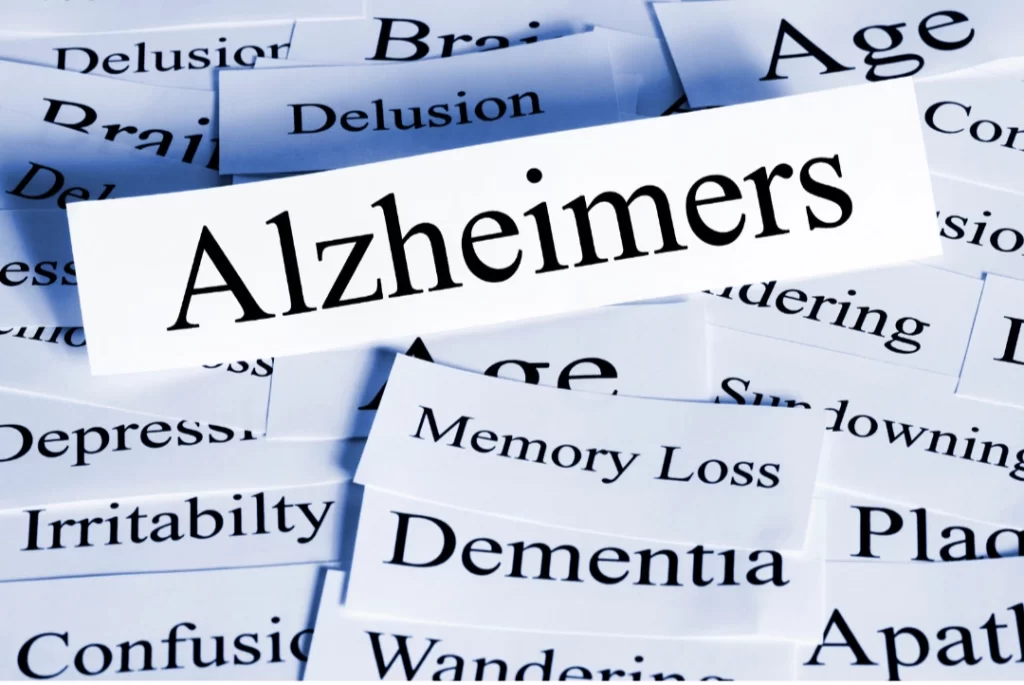
Learn the difference between early signs of Alzheimer’s and Dementia as well as what to do if you notice these changes.