
























One of the most important-and most overlooked-questions in dementia care is this:
What if the person is in pain?
People living with dementia may not always be able to describe pain in a clear or expected way. As communication changes, pain may show up as restlessness, withdrawal, calling out, sleep disruption, refusal of care, or changes in appetite. Too often, these changes get labeled as “behaviors” before pain is considered.
A person-centered approach helps teams pause, look deeper, and ask what the person may be communicating.
Why This Matters
Pain is common in aging and long-term care settings, and it can come from many sources: arthritis, neuropathy, injuries, infections, constipation, dental issues, pressure injuries, or chronic health conditions.
When pain is missed, the person may experience:
- Increased distress
- More conflict during care
- Poor sleep
- Reduced mobility
- Lower appetite
- Isolation or withdrawal
- Decline in overall well-being
When pain is recognized and addressed, many people become calmer, more engaged, and more comfortable-sometimes very quickly.
Person-Centered Care Starts With Knowing the Person
Pain assessment in dementia care is not just a clinical task. It is also a relationship-based task.
To recognize pain well, teams need to know:
- What is normal for this person?
- How do they usually express discomfort?
- What health conditions do they live with?
- What has helped them in the past?
- What words do they use (or used to use) for pain?
- Are there cultural, personal, or spiritual beliefs that shape how they talk about discomfort?
For example, one person may grimace and become quiet. Another may pace. Another may become irritable during bathing. None of these responses are “bad behavior.” They may be meaningful communication.
Signs of Pain May Look Different in Dementia
A person living with dementia may not say, “My hip hurts.” Instead, teams may notice:
Physical signs
- Facial grimacing
- Guarding a body part
- Limping or stiffness
- Changes in posture
- Increased breathing rate
- Trouble settling or sleeping
Emotional or behavioral changes
- Irritability
- Agitation
- Resistance during care
- Withdrawal from activities
- Repetitive calling out
- Crying or tearfulness
Functional changes
- Sudden decline in walking
- Refusing meals
- Trouble participating in favorite activities
- Increased dependence in daily tasks
The key is not to assume the cause-but to investigate with compassion.
Reframing “Behavior” as Communication
A person-centered team culture asks a different question:
Instead of “How do we stop this behavior?” ask “What is this person trying to tell us?”
This simple shift changes everything.
For example:
- A person who resists dressing may have shoulder pain.
- A person who becomes upset at dinner may have dental pain.
- A person who wanders at night may be uncomfortable in bed or need toileting support.
- A person who calls out repeatedly may be experiencing fear, loneliness, or untreated pain.
Pain is not the only possible cause-but it should always be part of the assessment.
A Practical Person-Centered Pain Response Process
Here is a simple workflow teams can use across settings:
1. Pause and observe
Notice what changed:
- When did it start?
- What was happening right before?
- Is it tied to movement, time of day, meals, or care routines?
2. Check for common pain triggers
Consider:
- Positioning
- Toileting needs
- Constipation
- Skin irritation
- Footwear
- Temperature
- Recent falls or illness
- Dental or oral discomfort
3. Use a consistent pain assessment approach
If the person cannot self-report reliably, use observational tools and team documentation practices consistently.
4. Try comfort measures quickly
Person-centered comfort interventions can include:
- Repositioning
- Heat or cold (if appropriate)
- Toileting
- Hydration/snack
- Gentle movement
- Quiet environment
- Soothing music
- Hand massage
- Familiar reassurance
5. Escalate clinically when needed
Nurses and providers should be informed promptly when pain is suspected, especially if symptoms are new, severe, or persistent.
6. Reassess and document the response
Did the person become more comfortable? Did the distress decrease? What helped?
This last step is critical. It helps teams learn the person’s patterns over time.
Build a “Comfort and Pain Profile” for Each Person
One of the most effective person-centered tools is a short profile that helps all staff understand how a person expresses discomfort.
Include:
- Diagnoses/conditions that may cause pain
- Common pain indicators for this person
- Preferred comfort strategies
- Words/phrases they use
- Triggers (e.g., transfers, bathing, mornings)
- What usually helps
- When to notify nursing/provider
This profile supports continuity across shifts and departments-and helps reduce unnecessary distress.
The Role of Meaningful Engagement
Pain and engagement are closely connected.
When pain is reduced, people living with dementia are more likely to:
- Join activities
- Eat better
- Sleep better
- Participate in care
- Connect with others
At the same time, meaningful engagement itself can be a comfort strategy when matched to the person. A favorite song, folding towels, looking through family photos, walking outside, or a quiet one-to-one conversation can reduce anxiety and support emotional comfort.
Montessori-informed approaches can help here by emphasizing:
- Choice
- Familiar routines
- Hands-on tasks
- Success-based engagement
- Preserved abilities
The goal is not distraction. The goal is comfort, dignity, and connection.
Partnering With Families and Care Partners
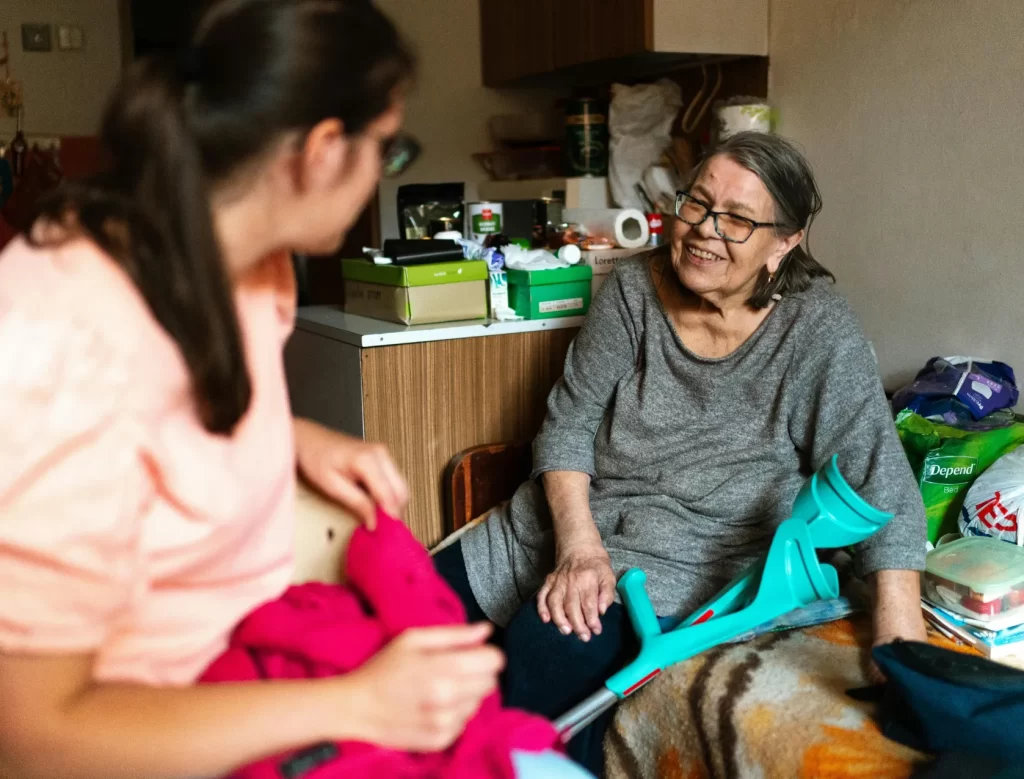
Families often know pain cues that staff may not see right away.
Ask care partners:
- How does your family member show discomfort?
- What has worked in the past?
- Are there routines or positions they prefer?
- Are there phrases they use when something hurts?
This is person-centered care in action: combining clinical observation with lived knowledge.
Families also benefit when teams explain the process clearly:
- “We noticed a change.”
- “We’re assessing for pain and other causes.”
- “Here’s what we tried.”
- “Here’s what helped.”
That communication builds trust.
Quality Measures Beyond “No Incidents”
If organizations want to improve dementia care, pain recognition should be part of quality improvement-not just incident response.
Consider tracking:
- Frequency of suspected pain episodes
- Time to assessment
- Comfort interventions used
- Reassessment completion
- Staff documentation consistency
- Reduction in distress after intervention
- Activity participation after comfort support
These measures align with dementia-capable, person-centered care because they focus on lived experience and comfort-not just task completion.
How NCCDP Can Help
NCCDP helps organizations strengthen person-centered dementia care by building workforce knowledge, practical skills, and a shared care culture.
NCCDP can support teams with:
- Education and certification programs that build dementia-specific knowledge across roles
- Training on person-centered communication and understanding unmet needs behind distress
- Practical approaches to engagement and comfort, including strategies that support dignity and autonomy
- Train-the-trainer pathways to scale consistent dementia care practices across departments and shifts
- Culture change support so all staff-clinical and non-clinical-see themselves as part of dementia-capable care
Pain recognition is not just a nursing issue. It is a whole-team issue. NCCDP education helps organizations create that shared mindset.
Final Thought
When a person living with dementia is distressed, our first job is not to control the moment-it is to understand it.
By using person-centered language, observing carefully, and treating behavior as communication, teams can recognize pain earlier and respond with compassion. That shift improves comfort, trust, and quality of life for the person-and it supports better outcomes for everyone involved.