




















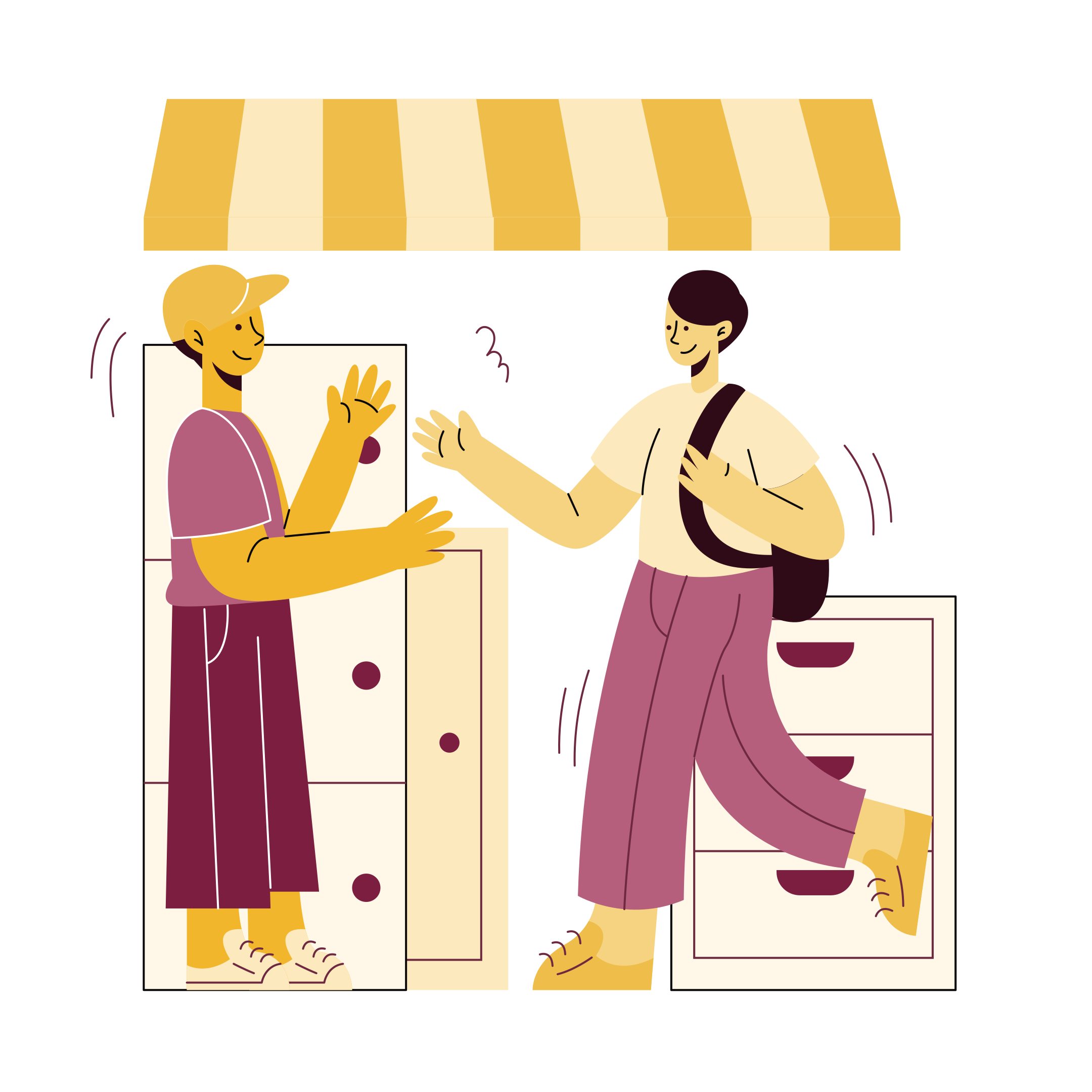





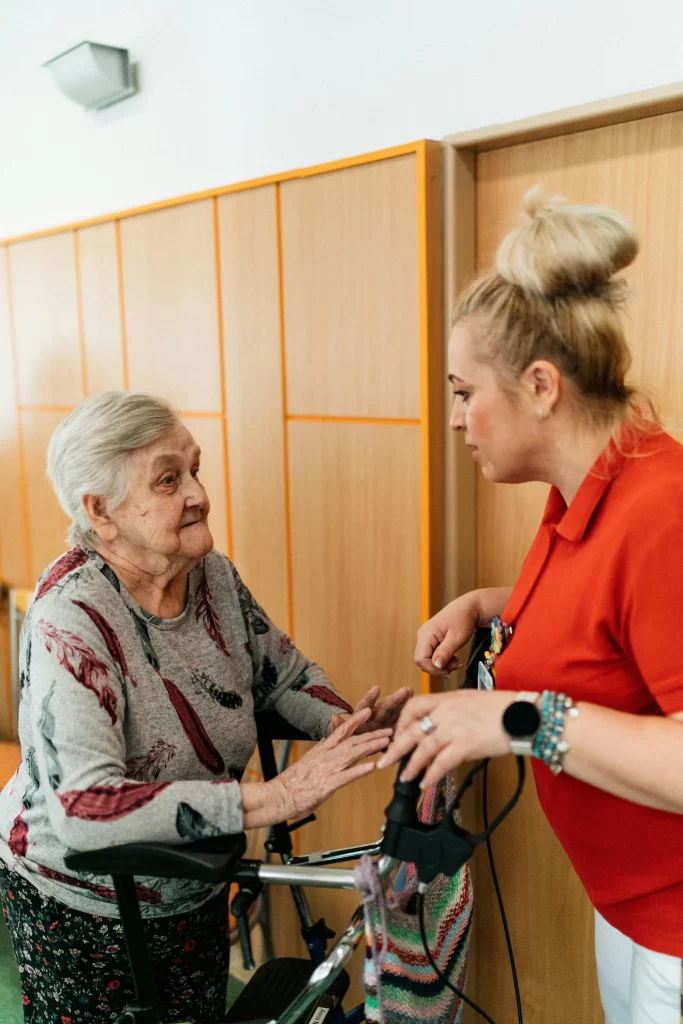
Few dementia-related symptoms are more distressing than hearing a loved one say, ‘You are not my husband,’ or ‘My daughter has been replaced.’ This may be Capgras syndrome, a form of delusional misidentification in which a person believes someone familiar has been replaced by an imposter.
For families, the emotional impact can be enormous. The person living with dementia is not pretending, and the care partner is not overreacting when the experience feels painful or frightening. Capgras syndrome can lead to fear, agitation, refusal to talk, and at times aggression toward the person seen as the imposter. That means safety and calm response are essential.
A person-centered response starts by understanding that the person is living with a different perception of reality in that moment. Arguing usually does not help. A medical evaluation should come first, because hallucinations and delusions may also be worsened by infections, dehydration, pain, medication effects, or sensory changes. Non-drug approaches such as reassurance, redirection, and environmental adjustment are often the first step.
That is where training makes a difference. A well-prepared dementia care team knows how to respond without escalating fear. NCCDP’s dementia education emphasizes communication, behavioral expressions, compassionate care, and individualized support.
If Capgras-like symptoms appear suddenly, worsen quickly, or create risk of harm, a medical evaluation should happen promptly. Delusions in dementia always deserve serious attention, especially when they lead to fear, refusal of care, or possible danger for the person or caregiver.