





























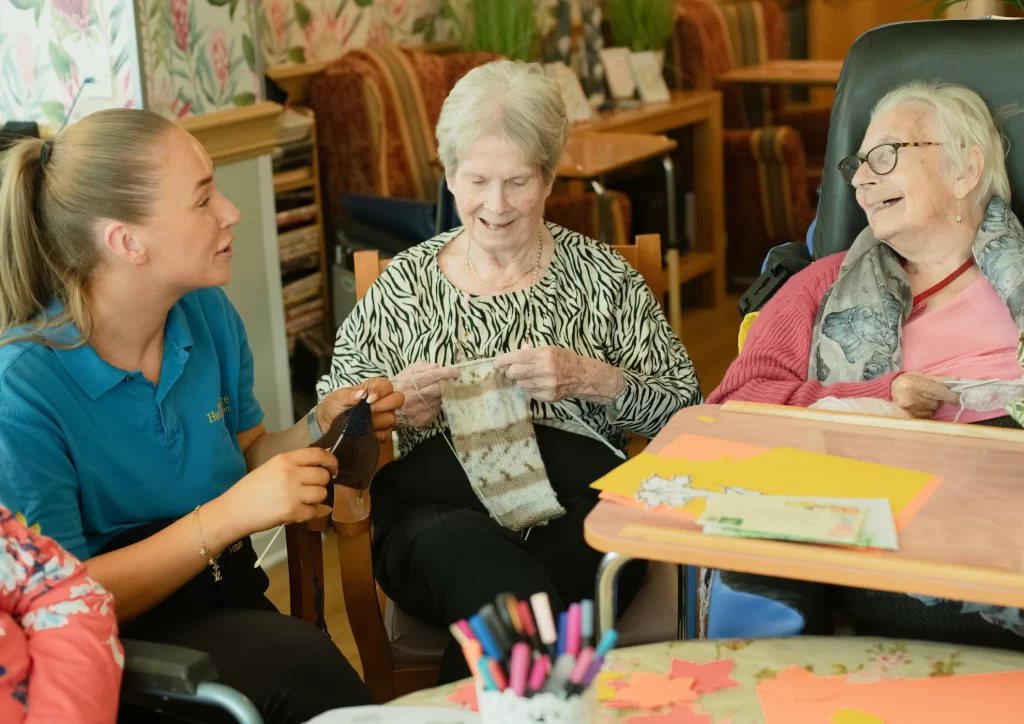
NCCDP Staff Education Week 2026 (Feb. 14–21)
Each year, Alzheimer’s Disease and Dementia Care Staff Education Week (Feb. 14–21) serves as an important reminder that dementia education isn’t a one-time event- it’s an ongoing commitment. At NCCDP, we believe consistent, practical training helps teams strengthen communication, improve daily interactions, and reinforce person-centered care that supports dignity, autonomy, and meaningful engagement.
Staff Education Week is also a great time for organizations to go beyond minimum requirements and re-energize learning across departments- nursing, activities, dietary, housekeeping, therapy, and leadership- so everyone shares the same tools and language when supporting persons living with dementia.
Explore NCCDP Learning Resources
Whether you’re planning a staff in-service, supporting trainers, or continuing your own professional development, NCCDP has resources to help:
- Read the NCCDP Blog: Practical insights, best practices, and timely topics for dementia care teams
- Member Portal: Staff In-Services & Toolkits (login required): Ready-to-use resources designed to support consistent, high-quality training
- Member Webinars (login required): On-demand learning to support staff development and strengthen dementia-capable care
Ways to Participate This Week
Consider using Feb. 14–21 to:
- Schedule a short in-service or huddle focused on one practical skill
- Reinforce person-centered language and approaches across the team
- Invite cross-disciplinary participation to build shared understanding
- Recognize staff who model dementia-capable care and ongoing learning
Thank you for helping raise the standard of dementia education and strengthening the workforce that supports individuals living with dementia and their families every day.
Caring Through the Seasons
As this cold winter shifts into spring, the seasonal transition can subtly affect individuals living with Alzheimer’s disease and other dementias, and the caregivers who support them. Changes in daylight, routine, and environment may trigger behavioral or physical changes. Being proactive can make this time of year smoother for everyone!
1. Changes in Sleep & Increased Confusion
Longer daylight hours and shifting routines can disrupt circadian rhythms. Individuals may experience more nighttime wakefulness, daytime sleepiness, or increased late-afternoon confusion. Even small routine changes can feel overwhelming for everyone.
What can we do?
- Maintain a consistent daily schedule
- Increase morning light exposure by opening curtains early
- Encourage gentle daytime activity to reduce excessive napping
- Keep evenings calm with soft lighting and quiet routines
2. Mood Changes & Seasonal Depression
Reduced sunlight, lingering cold weather, and post-holiday isolation can contribute to low mood, irritability, withdrawal, or decreased motivation. In dementia, depression may show up as apathy rather than sadness.
What can we do?
- Encourage light movement such as short walks or chair exercises
- Incorporate music, reminiscence, or meaningful hobbies
- Increase social interaction with brief visits, phone calls, or shared activities
- Monitor individuals for persistent mood changes and consult a provider if needed
3. Increased Fall Risks
Melting snow, wet floors, uneven sidewalks, and muddy entryways create new safety hazards. Individuals living with dementia may not recognize slippery surfaces or may misjudge depth and distance.
What can we do?
- Place non-slip mats at entrances
- Ensure sturdy, well-fitting footwear
- Improve lighting in hallways and outdoor walkways
- Remove clutter and keep pathways clear
4. Caregiver Fatigue
After months of winter illness, limited outings, and fewer social supports, caregivers often experience increased stress and exhaustion. The cumulative strain can lead to burnout just as spring begins.
What can we do?
- Schedule short, consistent respite breaks
- Connect with a caregiver support group (virtual or in person)
- Ask family or friends for specific help
- Prioritize sleep and small moments of self-care whenever possible
5. Spring Allergies & Physical Discomfort
Pollen, dust, and mold can trigger allergies, leading to discomfort, poor sleep, and increased agitation. Because individuals living with dementia may struggle to communicate symptoms clearly, physical irritation may appear as behavioral change.
What can we do?
- Watch for new restlessness, rubbing eyes, or disrupted sleep
- Use air purifiers and limit outdoor exposure on high pollen days
- Keep windows closed during peak allergy times
- Consult a healthcare provider about appropriate treatments
Interested in Certification?

Certified Alzheimer's Disease and Dementia Care Trainer (CADDCT)
As a Certified Alzheimer’s Disease and Dementia Care Trainer (CADDCT), you will be certified to present our comprehensive Alzheimer’s Disease and Dementia Care (ADDC) curriculum to professionals across multiple industries within the geriatric healthcare industry.

Certified Dementia Practitioner (CDP)
This certification is open to all healthcare professionals, front-line staff, clergy, and other medical professionals who work in and around the geriatric healthcare industry and have at least one full year of paid experience.
Upcoming Seminars:
Alzheimer’s Disease and Dementia Care (ADDC) Seminar: