





























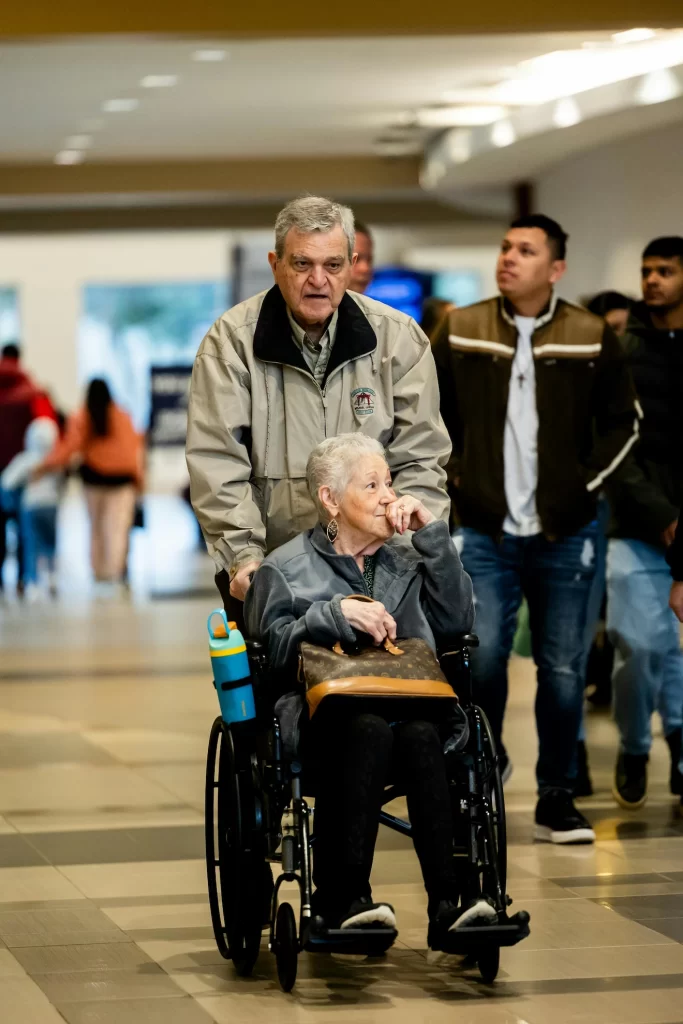
Families often ask this question later than they wanted to: When is it time for memory care? There is no single moment that fits every family, but there are clear patterns that signal increasing need.
Some of the most important questions are practical. Is the person becoming unsafe at home? Are wandering risk, falls, driving issues, medication problems, nighttime wakefulness, or behavioral symptoms becoming too much for the current support system? Is the caregiver’s health at risk? Are the person’s needs beyond what the family can physically provide?
Memory care is not one-size-fits-all. Long-term care options vary and may include assisted living, group homes, nursing homes, and settings with dementia-specific programs. Families should ask detailed questions because services and staffing can vary widely.
That is why families should look closely at training, not just décor or marketing language. Ask who is trained in dementia care. Ask how the community handles behavioral needs, communication, activities, and changes in function over time. Ask whether the team has structured dementia education and whether there is a trainer on staff.
For many families, the decision is emotional because it feels like loss. But the better question may be this: where can this person receive the safest, most consistent, most dignified support now? Person-centered dementia care is not about a building alone. It is about whether the environment, routines, staff skills, and daily interactions truly fit the person.
Suggested NCCDP Links
- Memory Care Excellence Network
- NCCDP Certifications
- NCCDP Train
- Understanding Person-Centered Dementia Care