


























Summer Is Coming: Tips for a Successful Season
Summer can bring sunshine, celebrations, outdoor activities, family visits, and opportunities for meaningful engagement, but it can also create unique challenges for people living with dementia and the care partners who support them.
Changes in temperature, routines, noise levels, schedules, and activity demands can increase confusion, agitation, fatigue, and safety risks.
1. Prepare for Heat and Hydration Risks
Older adults living with dementia are often more vulnerable to dehydration and heat-related illness. Many may not recognize thirst, communicate discomfort, or remember to drink fluids regularly.
Care partners can help by:
- Offering fluids frequently throughout the day
- Providing foods with high water content like fruit, popsicles, or gelatin
- Watching for signs of dehydration such as confusion, weakness, dizziness, or dark urine
- Encouraging lightweight, breathable clothing
- Limiting outdoor activity during peak heat hours
- Monitoring indoor temperatures carefully
Even mild dehydration can worsen confusion and increase fall risk.
2. Expect Changes in Routine
Summer often brings vacations, family visits, schedule changes, and community events. While these activities can be positive, changes in routine may increase anxiety or disorientation for someone with dementia.
Care partners should try to:
- Maintain consistent meal and sleep schedules
- Prepare the person ahead of time for outings or visitors
- Avoid overscheduling activities
- Build quiet rest periods into busy days
- Keep familiar comfort items nearby
Simple routines often provide a sense of security and stability.
3. Plan Dementia-Friendly Activities
Summer offers many opportunities for meaningful engagement, but activities should match the person’s abilities, energy level, and tolerance for stimulation.
Good summer activities may include:
- Sitting outside in shaded areas
- Gardening or watering plants
- Listening to music outdoors
- Short walks
- Looking through summer photos
- Simple cookouts or picnics
- Watching birds or nature
- Enjoying sensory activities like lemonade tasting or flower arranging
The goal is connection and enjoyment, not just keeping busy.

4. Watch for Overstimulation
Crowds, loud music, fireworks, busy gatherings, and unfamiliar environments can become overwhelming very quickly.
Signs of overstimulation may include:
- Increased confusion
- Restlessness or pacing
- Irritability
- Withdrawal
- Agitation
- Repetitive questioning
- Fatigue
Care partners can reduce distress by:
- Keeping gatherings smaller and shorter
- Reducing background noise
- Offering quiet spaces for breaks
- Leaving events early if needed
- Avoiding overly chaotic environments
Sometimes less stimulation leads to a much more positive experience.
5. Prepare for Increased Family Visits
Summer often brings more visitors. While visits can be meaningful, they can also disrupt routines or create emotional stress.
Professional and family care partners can help by:
- Preparing visitors ahead of time about communication changes
- Encouraging calm, simple interactions
- Limiting the number of visitors at once
- Helping families focus on connection rather than memory testing
- Encouraging short, successful visits instead of long exhausting ones
Visitors may need reminders not to ask questions like “Do you remember me?” which can unintentionally create anxiety or embarrassment.

6. Keep Safety a Top Priority
Summer activities often increase safety concerns, especially outdoors or in unfamiliar places.
Care partners should pay close attention to:
- Fall risks on uneven outdoor surfaces
- Wandering risks during gatherings or outings
- Sun exposure and overheating
- Pool and water safety
- Proper footwear and mobility supports
- Medication schedules during travel or events
Extra supervision may be needed during busy gatherings when distractions are high.
7. Support Emotional Well-Being
Summer traditions sometimes remind families and care partners of how much life has changed. Care partners may also experience stress, fatigue, or grief while trying to create positive experiences for others.
It is important for care partners to:
- Set realistic expectations
- Allow flexibility in plans
- Focus on moments of joy rather than perfect outcomes
- Recognize signs of caregiver burnout
- Ask for help and support when needed
Meaningful moments do not have to be elaborate. Often the simplest experiences create the strongest sense of connection.
8. Use Summer as an Opportunity for Joy
Despite the challenges, summer can still offer many opportunities for comfort, engagement, and happiness. Warm weather, fresh air, familiar music, favorite foods, and time with loved ones can all support emotional well-being when approached thoughtfully.
Care partners who plan ahead, simplify activities, and remain flexible can help individuals living with dementia experience the season in ways that feel safe, meaningful, and enjoyable.
Small adjustments can make a big difference and can turn potentially stressful situations into moments of connection, comfort, and quality of life.

Let's Talk About Dementia
Don’t miss our newest video featuring Takeiah Sadler, VP of Resident Experience at Sinceri Senior Living.
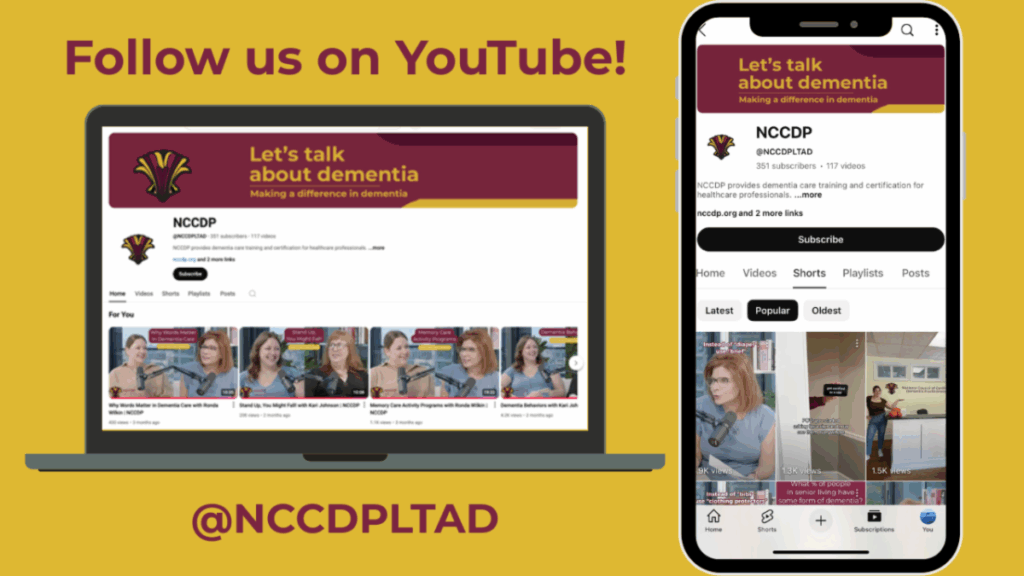
Follow us on TikTok!
Subscribe to our Youtube Channel for weekly videos featuring leading dementia care experts on a variety of topics!
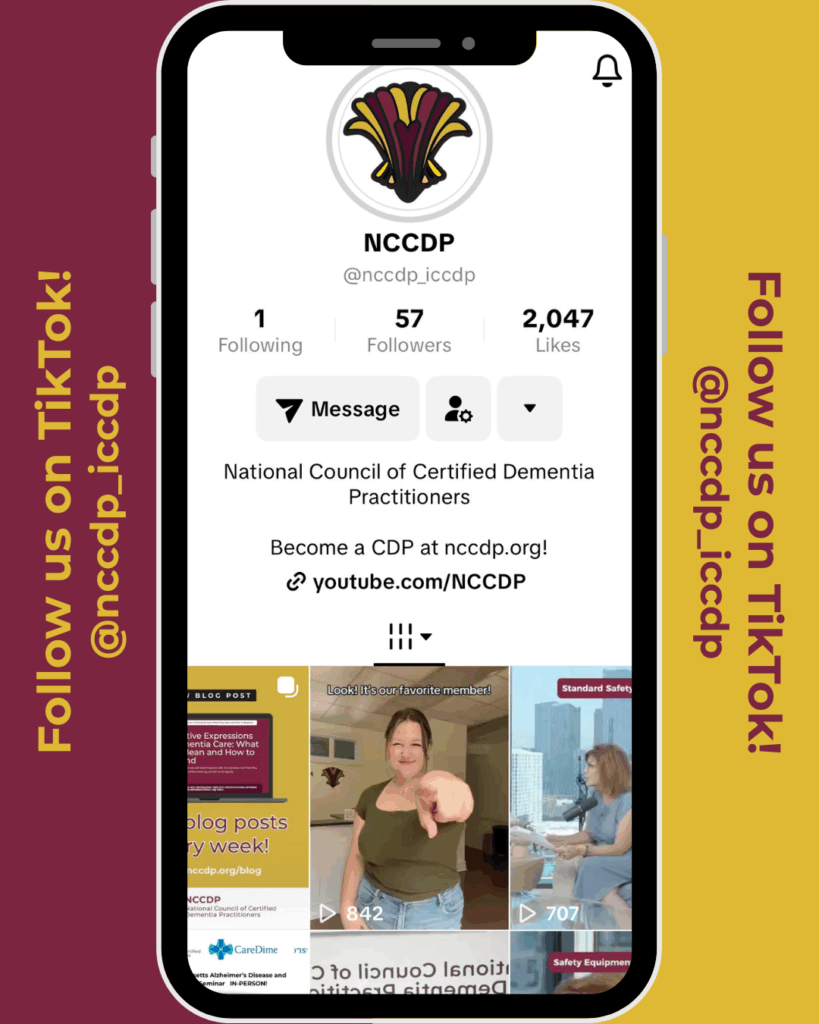
Follow us on YouTube!
Subscribe to our Youtube Channel for weekly videos featuring leading dementia care experts on a variety of topics!
Join our Community Forum
The best conversations happen when everyone joins in! NCCDPs Community Forums are a welcoming space to share experiences, learn from others, and build connections within the community. We’d love to see you there!
To get to the Community Forum, log in to your account at www.nccdp.org
Then, click on MEMBER RESOURCES and find COMMUNITY FORUM!


Interested in Certification?

Certified Alzheimer's Disease and Dementia Care Trainer (CADDCT)
As a Certified Alzheimer’s Disease and Dementia Care Trainer (CADDCT), you will be certified to present our comprehensive Alzheimer’s Disease and Dementia Care (ADDC) curriculum to professionals across multiple industries within the geriatric healthcare industry.

Certified Dementia Practitioner (CDP)
This certification is open to all healthcare professionals, front-line staff, clergy, and other medical professionals who work in and around the geriatric healthcare industry and have at least one full year of paid experience.
Upcoming Seminars:
Alzheimer’s Disease and Dementia Care (ADDC) Seminar: