

























Brain Health and Dementia Care: How to Integrate Brain Health into Your Dementia Practice
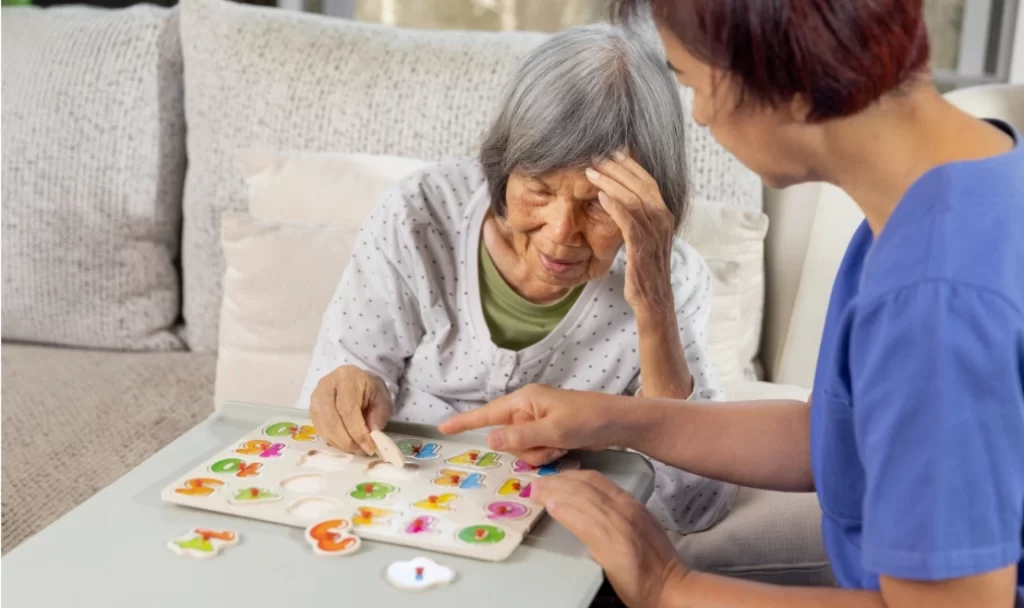
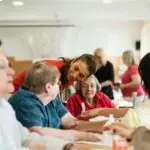
Brain health approaches reinforce a fundamental principle of dementia care: people living with dementia still have the ability to connect, engage, and experience purpose.
Activities for People Living With Dementia
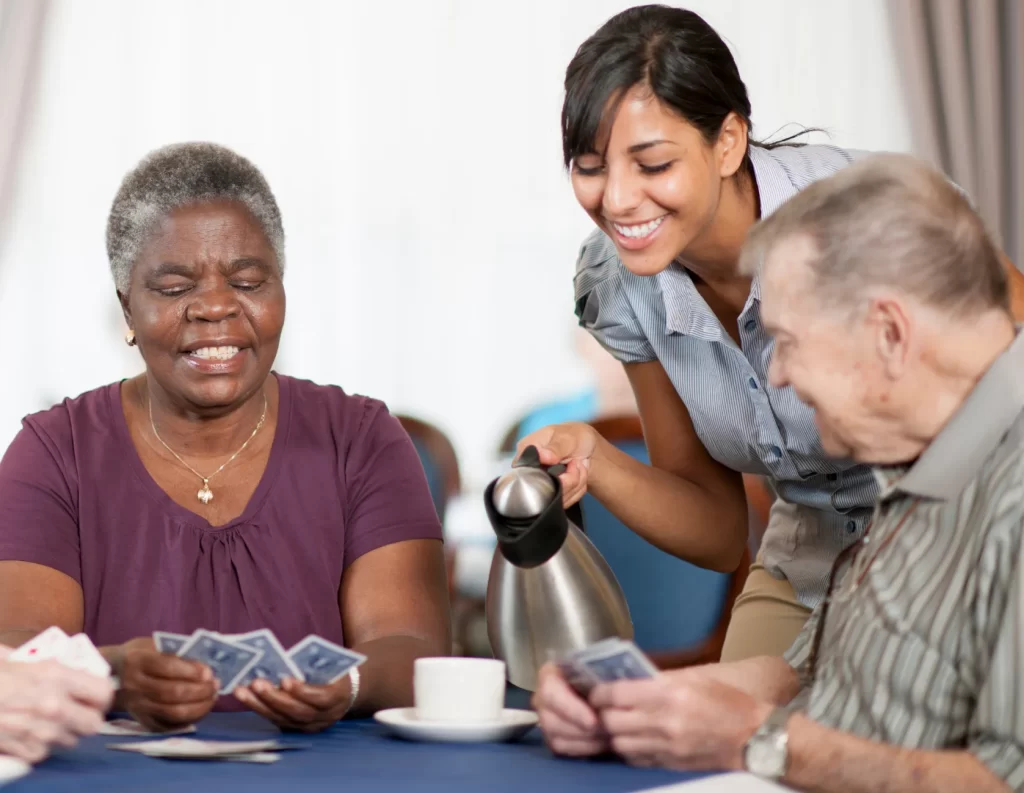
When we focus on the person’s strengths, preferences, and purpose we create more moments of comfort, autonomy, and meaning.
When “Behavior” Is Really Pain
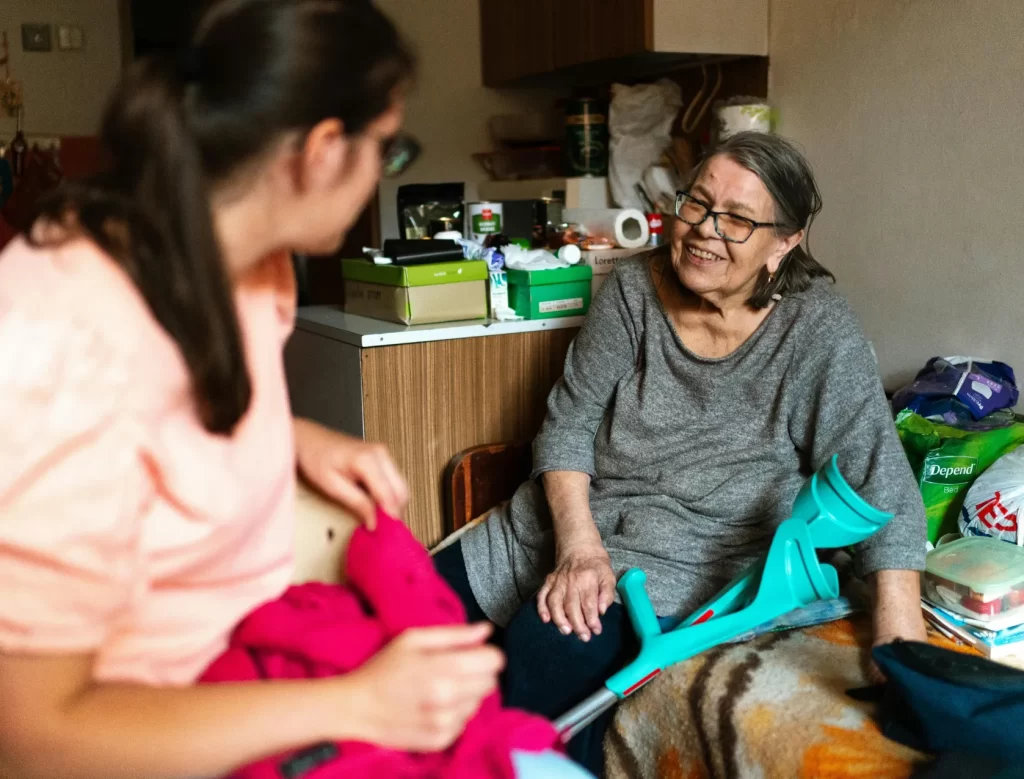
A Person-Centered Approach to Recognizing and Responding to Pain in People Living With Dementia
Earlier Identification (MCI Subjective Cognitive Decline) and What to Do Next
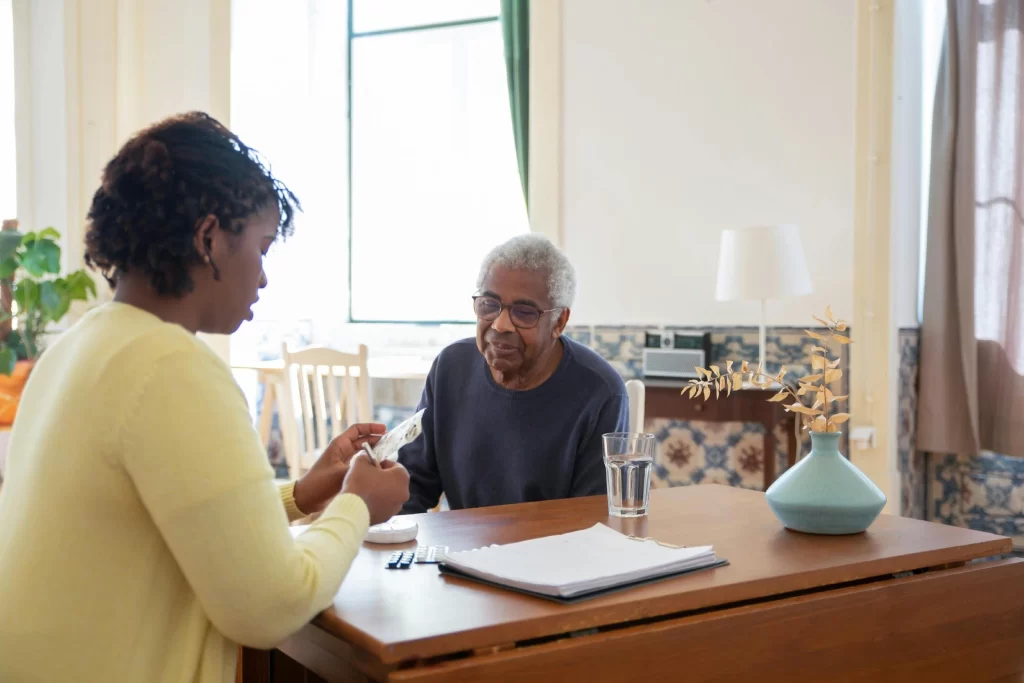
Practical pathways after a positive screen: confirmatory evaluation, differential diagnosis, safety planning, caregiver supports, and lifestyle interventions.
Person-Centered Care at Scale (Including Montessori-Informed Approaches)
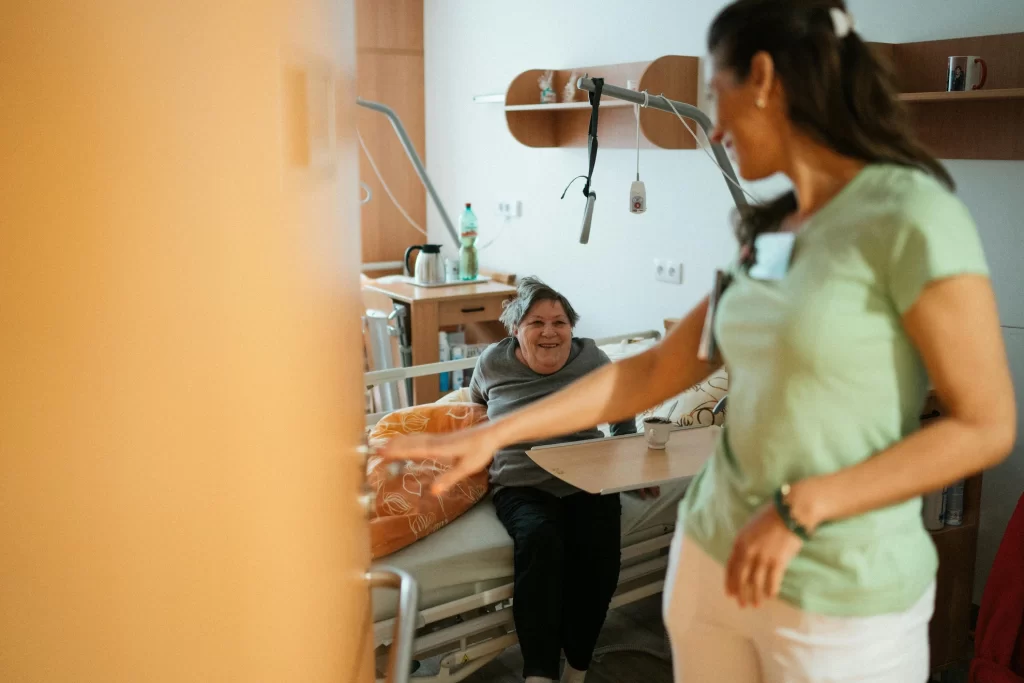
Turning principles into daily practice: meaningful engagement, reducing distress, supporting autonomy, and measuring quality beyond “no incidents.”
Workforce Capacity and Dementia-Capable Systems: Building the People and Infrastructure Dementia Care Requires
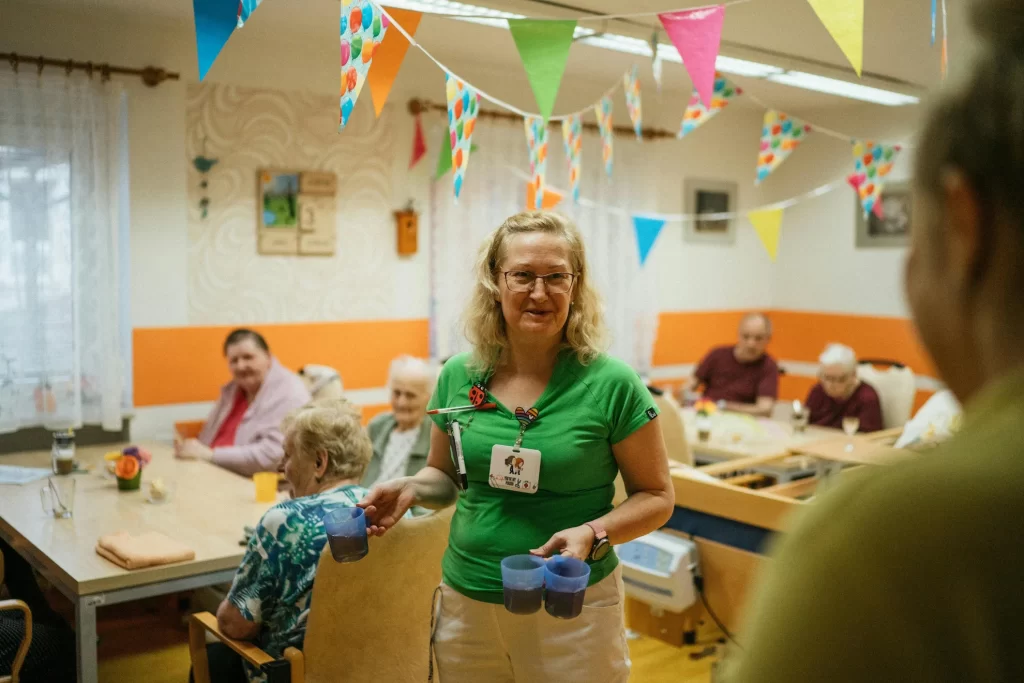
As dementia prevalence and caregiving demands grow, dementia capability must be treated as a core standard of care—not a specialty add-on.
Non‑Alzheimer’s Dementias and Mixed Pathology

Non‑Alzheimer’s dementias can present differently, progress differently, and respond differently to medications and care approaches.
NCCDP Alzheimer’s Disease and Dementia Care Seminar Recognized by the Alzheimer’s Association Curriculum Review
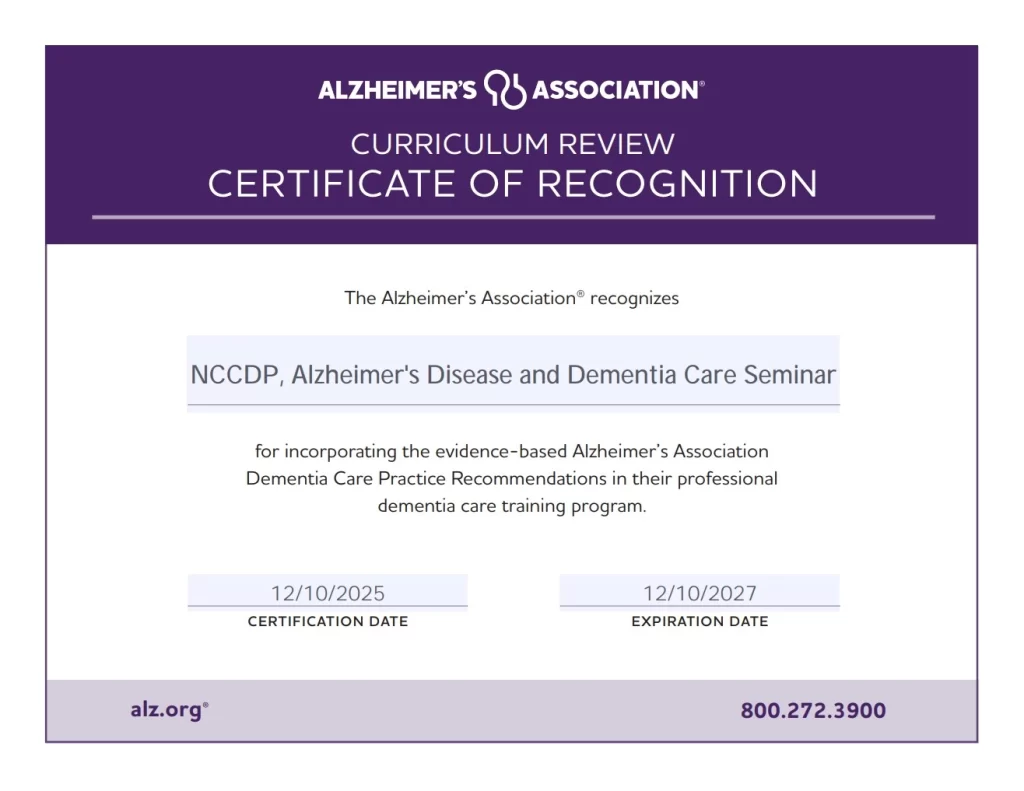
Training aimed at implementing the latest evidence-based approaches to dementia care amid growing numbers of Americans affected.
Brain Health & Dementia: A Practical Checklist
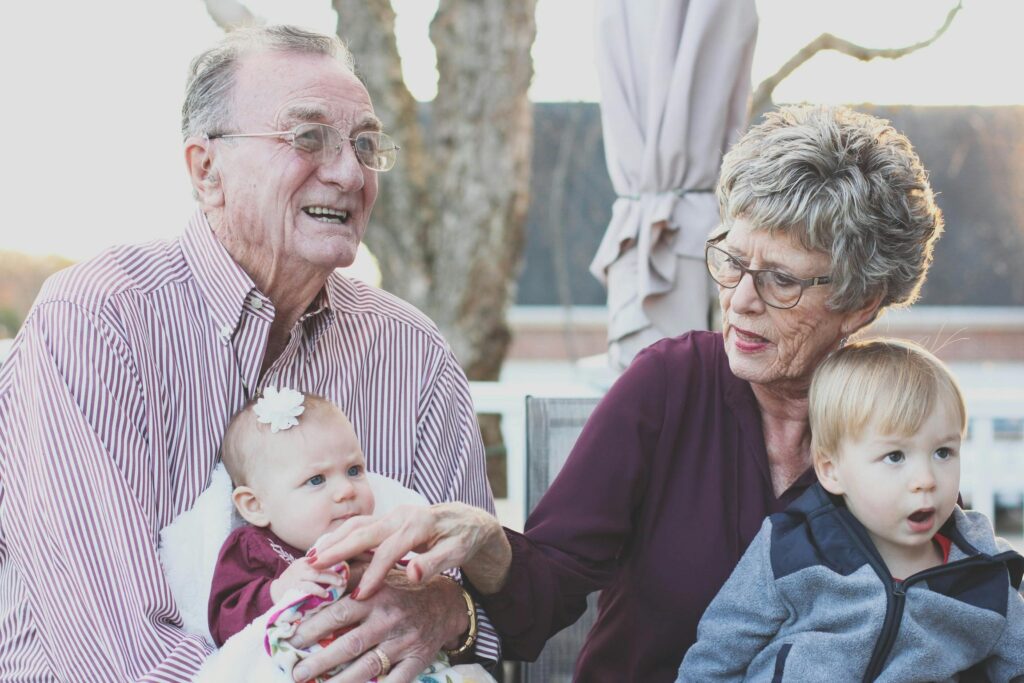
NCCDP supports brain health & dementia care by providing education, certification, and practical tools for professionals and communities.
Brain Health at Every Stage of Life: What Really Helps, and How Dementia Professionals Can Support It
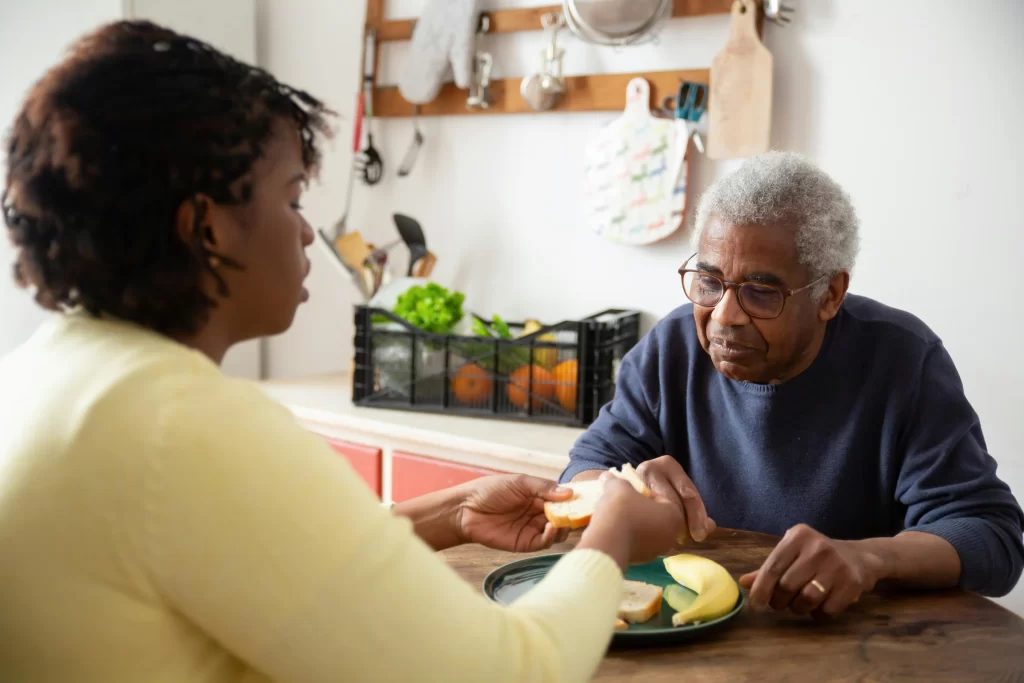
Read about how every step towards brain health is worth honoring and how NCCDP turns broad “brain health” concepts into everyday practice.